
Students worldwide face increasing pressure to submit original work while navigating complex academic requirements. The question of bypassing Turnitin has become more prevalent as AI writing tools reshape how we approach academic writing. Understanding the implications, methods, and ethical considerations surrounding bypassing Turnitin is crucial for anyone in higher education today.
What Does Bypassing Turnitin Actually Mean?
Bypassing Turnitin refers to techniques students use to submit work that won't trigger plagiarism detection software. While some methods involve unethical practices like copying content, others focus on legitimate strategies for creating original work that naturally passes detection systems. The distinction matters significantly.
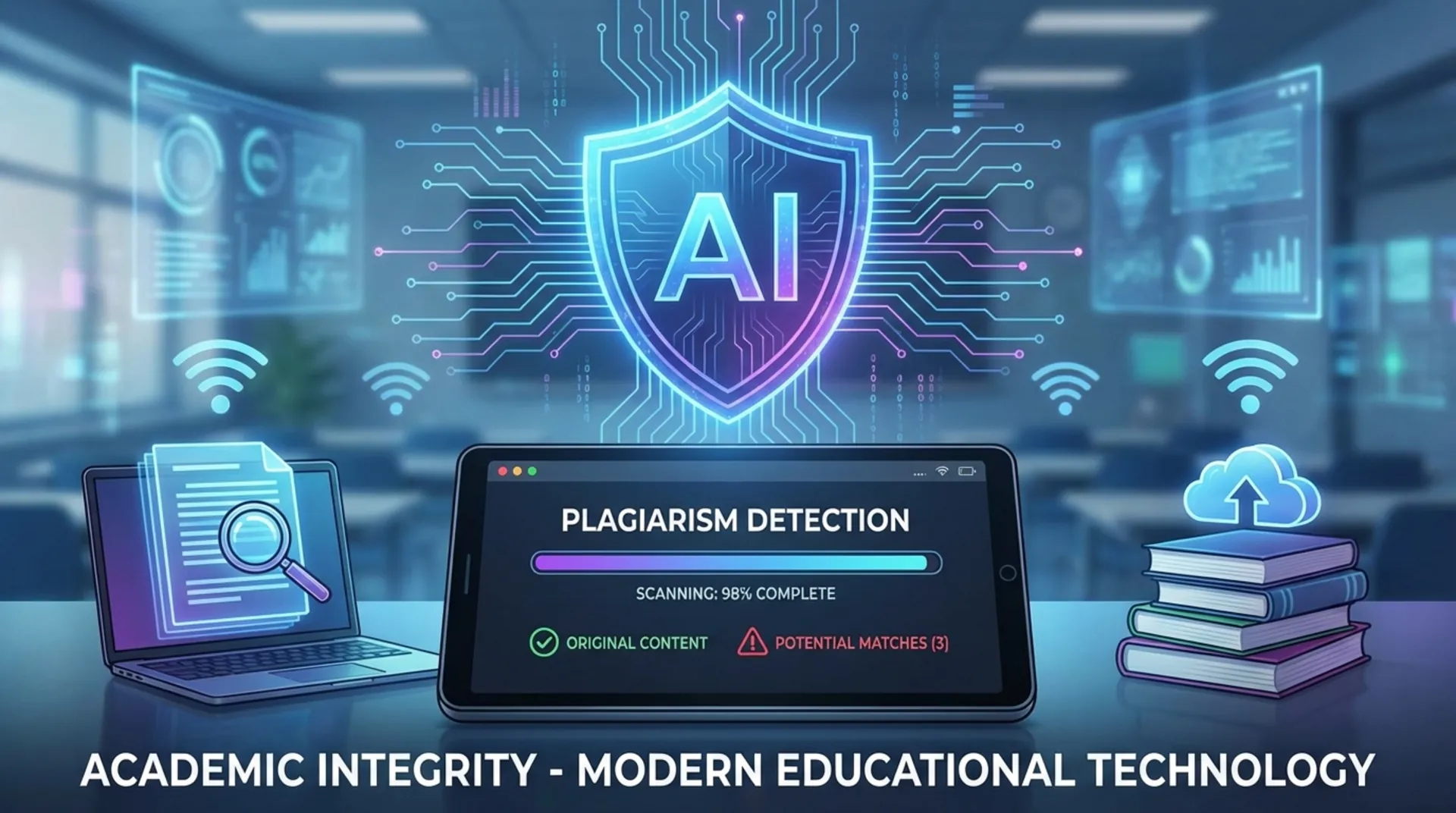
Turnitin compares submitted papers against billions of web pages, academic journals, and previously submitted student papers. When students search for ways of bypassing Turnitin, they're often looking for methods to ensure their work appears original, even when using external sources or AI assistance.
Common Methods Students Consider for Bypassing Turnitin
Paraphrasing and Rewriting Techniques
One legitimate approach to bypassing Turnitin involves thorough paraphrasing. This means reading source material, understanding the concepts, and expressing ideas in your own words. Tools like AI Natural Write can help students rephrase content while maintaining academic integrity, ensuring the work reflects genuine understanding rather than simple word substitution.
Using AI Writing Assistants Responsibly
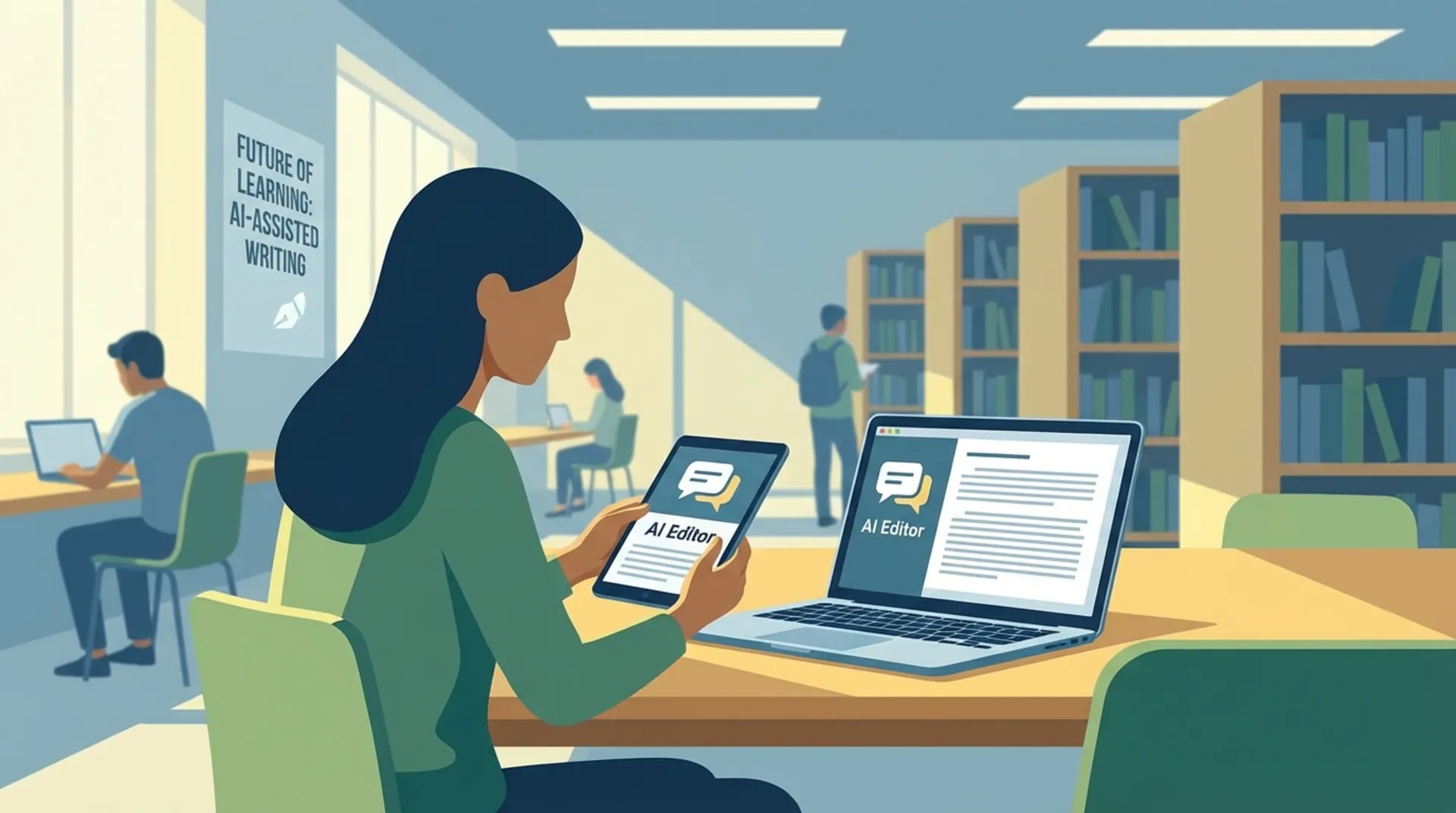
Modern AI tools have changed the conversation around bypassing Turnitin. Rather than copying content, students can use AI to generate outlines, brainstorm ideas, and refine their natural writing style. The key is using these tools as assistants rather than replacements for original thought.
When properly utilized, AI writing assistance doesn't constitute bypassing Turnitin in an unethical sense. Instead, it represents a new form of academic support, similar to tutoring or writing centers. The difference lies in how students integrate AI suggestions into their own work.
Character Substitution and Formatting Tricks
Some students attempt bypassing Turnitin through character substitution, replacing letters with similar-looking symbols, or manipulating white space. These methods are both ineffective and academically dishonest. Modern detection systems easily identify such attempts, and universities consider them serious violations of academic integrity policies.
The Ethics of Bypassing Turnitin
The ethical dimension of bypassing Turnitin depends entirely on intent and method. Creating original work that naturally passes plagiarism detection is fundamentally different from deliberately deceiving the system. Students should ask themselves whether their approach to bypassing Turnitin involves genuine learning or simply avoiding consequences.
Universities implement Turnitin to encourage original thinking and proper citation practices. When students focus on bypassing Turnitin through legitimate means like thorough research, careful paraphrasing, and proper attribution, they're actually fulfilling the system's intended purpose.
How AI Natural Write Supports Academic Integrity
Rather than helping students cheat, AI Natural Write focuses on developing genuine writing skills. The platform helps users understand how to express ideas originally, structure arguments effectively, and maintain their authentic voice while meeting academic standards.
Students concerned about bypassing Turnitin can use AI Natural Write to check their work for unintentional similarities, improve paraphrasing quality, and ensure proper citation formatting. This approach transforms the challenge of bypassing Turnitin from an ethical dilemma into an opportunity for skill development.
Frequently Asked Questions About Bypassing Turnitin
Can Turnitin detect AI-generated content?
Turnitin has developed AI detection capabilities, but these aren't foolproof. The system looks for patterns typical of AI writing, but heavily edited and personalized AI-assisted content often passes undetected. The real question isn't about bypassing Turnitin's AI detection, but whether the work represents genuine learning and understanding.
Is using paraphrasing tools considered bypassing Turnitin?
It depends on how you use them. Simply running text through a paraphrasing tool without understanding the content is academically dishonest. However, using such tools to help express ideas you've genuinely learned and understood is a legitimate study aid. The difference lies in whether you're learning or just disguising plagiarism.
What happens if I'm caught trying to bypass Turnitin?
Consequences vary by institution but typically include failing the assignment, failing the course, or even expulsion. Academic integrity violations remain on your record and can affect graduate school applications and professional opportunities. The risks of unethical bypassing Turnitin far outweigh any perceived benefits.
Are there legal ways to ensure my work passes Turnitin?
Absolutely. Writing original content, properly citing sources, paraphrasing effectively, and using AI tools as learning aids rather than content generators are all legitimate approaches. These methods don't involve bypassing Turnitin so much as naturally creating work that meets originality standards.
How can I improve my writing to naturally pass plagiarism detection?
Focus on developing your unique voice, thoroughly understanding source material before writing, creating detailed outlines, and revising multiple drafts. Tools like AI Natural Write can help identify areas where your writing might unintentionally resemble sources, allowing you to revise before submission.
Moving Forward: Academic Integrity in the Digital Age
The conversation around bypassing Turnitin reflects broader questions about education in an AI-enabled world. Rather than viewing plagiarism detection as an obstacle to overcome, students benefit from seeing it as a tool that encourages genuine learning and original thinking.
As AI writing tools become more sophisticated, the definition of original work continues to evolve. What remains constant is the value of authentic understanding, critical thinking, and the ability to express ideas in your own words. These skills matter far more than any technique for bypassing Turnitin.
Students who focus on developing genuine writing abilities, using AI tools ethically, and maintaining academic integrity will find that bypassing Turnitin becomes a non-issue. Their work naturally passes detection systems because it represents real learning and original thought.