
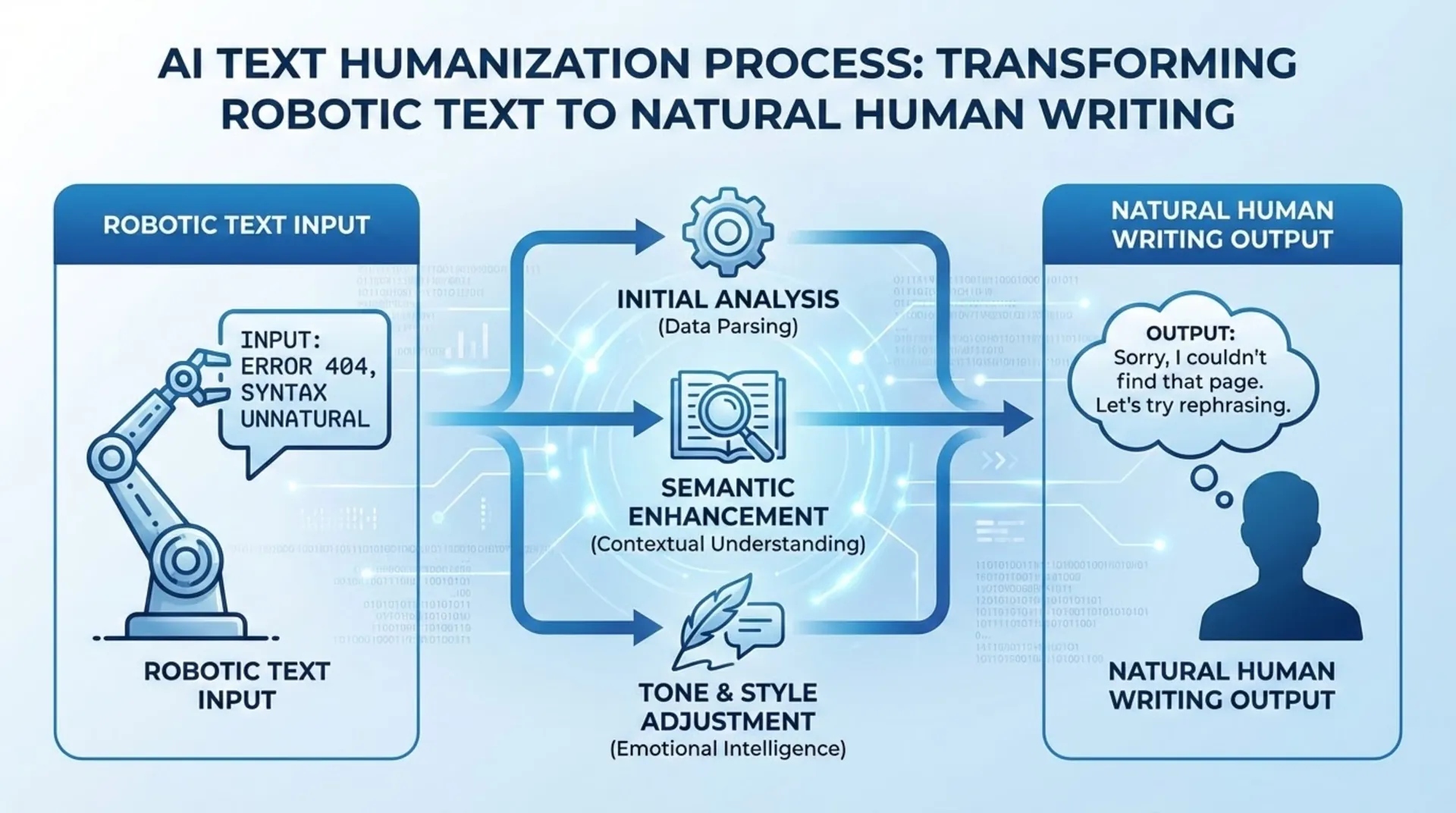
Understanding how to make AI generated text undetectable by AI detectors 2026 tips has become essential for content creators, marketers, and writers who use AI as a productivity tool. While AI detection technology continues advancing, the gap between AI-generated and human-written content is narrowing. This comprehensive guide provides practical, ethical strategies for creating AI-assisted content that maintains natural human qualities while passing detection systems.
Why Making AI Text Undetectable Matters
Before diving into techniques, it's crucial to understand the legitimate reasons for making AI-assisted content undetectable. Professional content creators, bloggers, and marketers often use AI tools to overcome writer's block, generate initial drafts, or enhance productivity. The goal isn't deception—it's creating high-quality content that sounds genuinely human because it has been substantially refined and personalized by human writers.
AI detection tools like GPTZero, Turnitin, and Originality.ai analyze writing patterns including perplexity (text predictability), burstiness (sentence variation), and vocabulary distribution. Understanding these metrics is the first step in learning how to make AI generated text undetectable by AI detectors 2026 tips.
Core Techniques for Humanizing AI Content
1. Vary Sentence Structure and Length
AI-generated text typically exhibits uniform sentence patterns. Human writers naturally alternate between short, punchy sentences and longer, more complex constructions. Break up monotonous patterns by:
- Mixing simple and compound sentences
- Using occasional sentence fragments for emphasis
- Varying paragraph lengths from 2-6 sentences
- Including rhetorical questions to engage readers
2. Inject Personal Voice and Perspective
AI lacks genuine personal experience. Adding your unique voice makes content undetectable:
- Include first-person anecdotes and observations
- Share specific examples from your experience
- Express subjective opinions and preferences
- Use conversational language and contractions
- Add emotional nuance and tonal variation

3. Introduce Strategic Imperfections
Perfect grammar and flawless structure actually flag AI content. Humans write with natural imperfections:
- Use colloquialisms and informal expressions
- Include occasional incomplete thoughts
- Vary punctuation patterns naturally
- Add conversational asides and parenthetical remarks
- Use em dashes and ellipses sparingly but naturally
4. Replace AI-Specific Vocabulary
AI models favor certain phrases that human writers rarely use. Remove telltale AI vocabulary:
Common AI phrases to avoid:
- "Delve into" or "dive deep"
- "It's important to note that"
- "In today's digital landscape"
- "Leverage" (when "use" works better)
- "Robust" or "comprehensive" (overused)
- "Furthermore" and "moreover" (too formal)
5. Add Specific, Concrete Details
AI tends toward generic statements. Specificity signals human authorship:
- Replace vague references with precise numbers and data
- Include real brand names, locations, and dates
- Provide concrete examples rather than abstract concepts
- Reference current events or recent developments
Advanced Strategies for 2026
Use AI Humanizer Tools
Specialized tools like AI Natural Write are designed specifically to transform AI-generated content into natural-sounding text. These tools analyze and rewrite content to reduce AI detection scores while maintaining meaning and quality. However, always review and personalize the output—no tool replaces human judgment.
The Multi-Pass Editing Approach
Professional writers use multiple editing passes:
- First pass: Generate AI draft with detailed, specific prompts
- Second pass: Restructure sentences and vary length
- Third pass: Add personal voice, anecdotes, and opinions
- Fourth pass: Remove AI vocabulary and add natural imperfections
- Fifth pass: Read aloud to catch unnatural phrasing
Prompt Engineering for Better Output
The quality of AI output depends heavily on prompt quality. Instead of basic requests, use detailed prompts that specify:
- Desired tone and style (conversational, professional, casual)
- Target audience and their knowledge level
- Specific examples or anecdotes to include
- Sentence structure preferences (varied, short, complex)
- Perspective (first-person, second-person, third-person)

Testing Your Content
Before publishing, test your content with multiple AI detectors:
- GPTZero: Known for low false positive rates
- Originality.ai: Popular among content marketers
- Copyleaks: Offers both plagiarism and AI detection
- Writer.com: Provides detailed AI probability scores
Aim for AI detection scores below 20% across multiple tools. If scores remain high, apply additional humanization techniques focusing on the flagged sections.
Ethical Considerations
While these techniques help create undetectable AI-assisted content, ethical use remains paramount:
- Never use AI-generated content for academic assignments without permission
- Disclose AI usage when required by platforms or clients
- Ensure all factual claims are verified and accurate
- Add substantial human value beyond simple AI generation
- Respect copyright and avoid reproducing protected content
Frequently Asked Questions
Can AI detectors be 100% accurate?
No. Current AI detectors have false positive rates ranging from 3% to 50% depending on the tool and content type. They analyze patterns but cannot definitively prove AI authorship, especially for heavily edited content.
Is it legal to use AI-generated content?
Yes, using AI tools for content creation is legal in most contexts. However, specific situations (academic work, professional certifications, certain publications) may have policies restricting AI use. Always check applicable guidelines.
How much editing is needed to make AI text undetectable?
Substantial editing is required—typically rewriting 40-60% of the original AI output. Simply changing a few words won't work. Focus on restructuring sentences, adding personal elements, and varying patterns throughout.
Do AI humanizer tools really work?
Quality AI humanizer tools can significantly reduce detection scores, but they're not magic solutions. The best results come from combining humanizer tools with manual editing, personal insights, and strategic rewriting.
Will AI detection technology improve in the future?
Yes, detection technology will continue advancing. However, as AI writing models also improve and writers become more skilled at humanization techniques, the distinction between AI-assisted and purely human writing will become increasingly blurred.
Conclusion
Mastering how to make AI generated text undetectable by AI detectors 2026 tips requires understanding both detection mechanisms and human writing patterns. The key is not simply bypassing detection, but creating genuinely valuable content that combines AI efficiency with human creativity, insight, and authenticity. By varying sentence structure, injecting personal voice, adding specific details, and using strategic editing, you can produce AI-assisted content that reads naturally while maintaining high quality. Remember that the goal is enhancing your writing process, not replacing human creativity—AI should be a tool that amplifies your unique perspective, not a substitute for it.