
Publishing in Nature represents the pinnacle of scientific achievement. Understanding how to write a Nature paper requires mastering specific formatting standards, narrative techniques, and editorial expectations that distinguish top-tier publications. This comprehensive guide walks you through every step of crafting a manuscript worthy of Nature's rigorous peer review process.

Understanding Nature's Publication Standards
Before learning how to write a Nature paper, you must understand what Nature seeks. The journal publishes groundbreaking research with broad scientific significance. Your work should present novel findings that advance understanding across multiple disciplines, not just within your specific field. Nature papers typically report discoveries that challenge existing paradigms or open new research directions.
Nature's editorial team evaluates manuscripts based on originality, importance, and interdisciplinary appeal. When considering how to write a Nature paper, focus on demonstrating why your research matters beyond your immediate specialty. The journal receives thousands of submissions annually but publishes only a small fraction, making exceptional quality and significance essential.
Essential Components of a Nature Paper
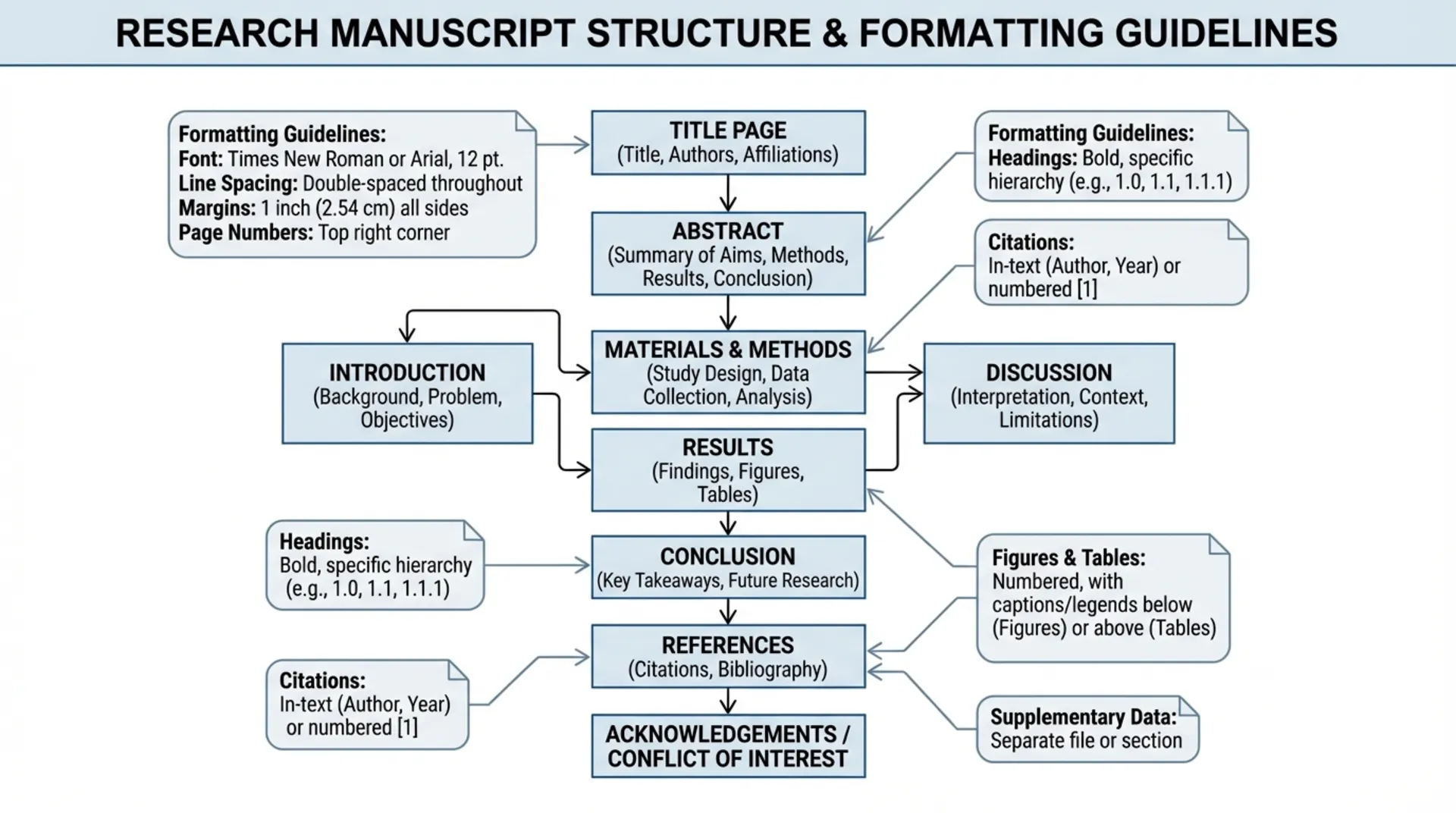
Learning how to write a Nature paper starts with understanding its structure. Nature papers follow a specific format that differs from standard academic journals:
Title and Abstract
Your title must be concise yet informative, typically under 90 characters. The abstract should summarize your key findings in 150-200 words, emphasizing significance and novelty. When writing a Nature paper, craft your abstract to capture attention immediately—editors often decide whether to send manuscripts for review based solely on title and abstract quality.
Main Text Structure
Nature papers use a streamlined format without traditional section headings like "Introduction" or "Methods." Instead, the main text flows as a continuous narrative, typically 2,000-3,000 words. Understanding how to write a Nature paper means mastering this narrative style, where you weave background, results, and interpretation into a compelling story.
Figures and Tables
Visual elements are crucial when learning how to write a Nature paper. Include 4-6 high-quality figures that tell your story visually. Each figure should be self-explanatory with detailed captions. Nature emphasizes visual communication, so invest significant effort in creating clear, publication-ready graphics.
Writing the Main Narrative
The key to how to write a Nature paper lies in crafting a compelling narrative. Begin by establishing context: why does your research matter? What gap in knowledge does it address? Present your findings as a logical progression, building from initial observations to final conclusions.
When writing a Nature paper, avoid excessive technical jargon. While maintaining scientific rigor, write for a broad scientific audience. Explain specialized concepts clearly without oversimplifying. This balance distinguishes successful Nature submissions from those rejected for being too narrow or inaccessible.
Opening Paragraphs
Your opening should hook readers immediately. State the problem, its significance, and your approach within the first 2-3 paragraphs. Editors and reviewers decide quickly whether to continue reading, so make these paragraphs count when learning how to write a Nature paper.
Results Presentation
Present results logically, building your argument step by step. Each finding should flow naturally from the previous one. When writing a Nature paper, integrate results with interpretation rather than separating them into distinct sections. This integrated approach creates a more engaging narrative.
Methods Section
Nature places methods at the end of the paper or in supplementary materials. When considering how to write a Nature paper, provide sufficient methodological detail for reproducibility without overwhelming the main narrative. Include key experimental parameters in the main text, reserving extensive protocols for supplementary information.
References and Citations
Nature limits references to approximately 30-50 citations. When writing a Nature paper, cite only the most relevant and recent literature. Focus on papers that directly support your arguments or represent key developments in the field. Avoid excessive self-citation or citation of obscure sources.
Supplementary Information
Understanding how to write a Nature paper includes knowing what belongs in supplementary materials. Include extended methods, additional figures, supplementary tables, and detailed statistical analyses here. Supplementary information should support but not be essential for understanding your main findings.
Common Mistakes to Avoid
When learning how to write a Nature paper, avoid these frequent pitfalls:
- Overselling Results: Present findings objectively without exaggeration. Nature editors quickly identify overstated claims.
- Insufficient Novelty: Ensure your work represents a genuine advance, not incremental progress.
- Poor Figure Quality: Low-resolution or unclear figures undermine otherwise strong manuscripts.
- Excessive Length: Respect word limits. Concise writing demonstrates mastery of your subject.
- Narrow Appeal: Frame your work to interest scientists beyond your immediate field.
The Revision Process
Understanding how to write a Nature paper extends to handling revisions. If invited to revise, address every reviewer comment thoroughly. Provide point-by-point responses and clearly indicate changes in your manuscript. Nature's revision process is rigorous, but successful navigation significantly increases publication chances.
Using Writing Tools
Modern researchers benefit from advanced writing tools when preparing manuscripts. Platforms like AI Natural Write can help refine your prose, ensuring clarity and conciseness. While learning how to write a Nature paper, such tools assist with grammar, style, and readability without compromising scientific accuracy.
Frequently Asked Questions
How long does it take to write a Nature paper?
Writing a Nature paper typically requires 2-4 months from initial draft to submission. This includes multiple revision rounds, figure preparation, and co-author feedback. The timeline varies based on research complexity and team size. Allow adequate time for thorough editing and refinement.
What is the acceptance rate for Nature papers?
Nature's acceptance rate is approximately 7-8%, making it one of the most selective journals. Understanding how to write a Nature paper improves your chances, but even excellent manuscripts face rejection due to space limitations and editorial priorities. Don't be discouraged by initial rejection.
Can early-career researchers publish in Nature?
Yes, Nature welcomes submissions from researchers at all career stages. Focus on research quality and significance rather than author credentials. When learning how to write a Nature paper, emphasize your findings' importance and novelty. Strong mentorship and collaboration with experienced researchers can strengthen submissions.
Should I contact Nature editors before submitting?
Nature allows pre-submission inquiries where you can briefly describe your work and ask if it fits the journal's scope. This optional step can save time if your research isn't suitable. However, most researchers submit directly. When considering how to write a Nature paper, focus on manuscript quality rather than pre-submission contact.
How important are supplementary materials?
Supplementary materials are crucial for Nature papers. They provide essential methodological details and additional data without cluttering the main text. When writing a Nature paper, prepare comprehensive supplementary information that allows readers to fully evaluate and reproduce your work. Well-organized supplements strengthen your submission.
Conclusion
Mastering how to write a Nature paper requires understanding the journal's unique standards, crafting compelling narratives, and presenting research with broad scientific significance. Success demands exceptional research quality, clear writing, and meticulous attention to formatting guidelines. While challenging, publishing in Nature represents a career milestone worth pursuing.
Remember that learning how to write a Nature paper is an iterative process. Each submission, whether accepted or rejected, provides valuable experience. Seek feedback from colleagues, study published Nature papers in your field, and continuously refine your writing skills. With persistence and attention to these guidelines, you can increase your chances of joining the ranks of Nature-published researchers.
For additional support in refining your scientific writing, explore resources at AI Natural Write, where advanced tools help researchers communicate their discoveries effectively and professionally.